
In the world of packaging, closing thread for bag is like a silent behind-the-scenes hero, although it may not be noticeable, it directly affects the quality and efficiency of packaging.
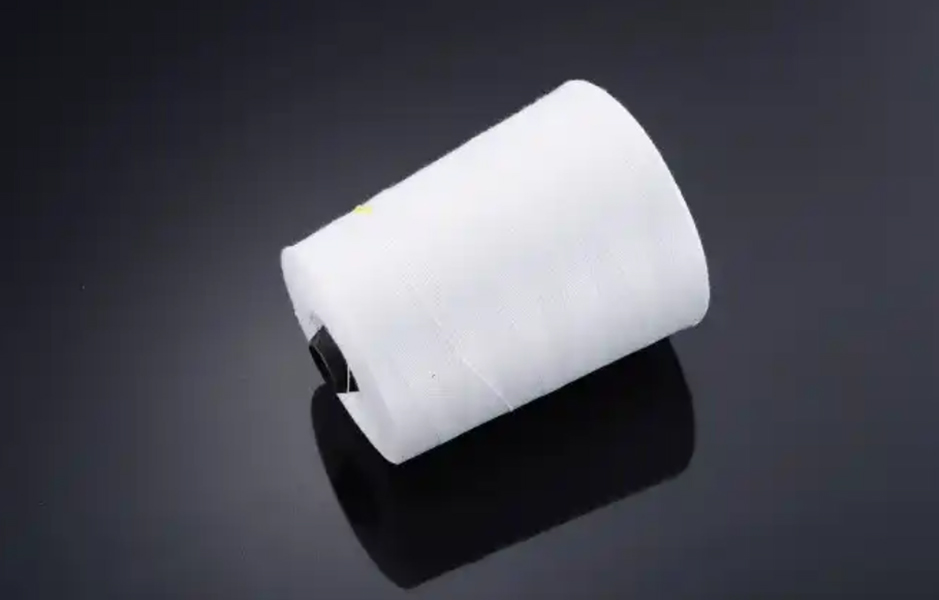
In the world of packaging, closing thread for bag is like a silent behind-the-scenes hero, although it may not be noticeable, it directly affects the quality and efficiency of packaging. Whether it's a large bag for feed or small packaging for food, choosing the right stitching thread for bag material can make your packaging work twice as effective. Today, let's talk about the common sewing thread for bag materials in the market and see what they are good at and where they are suitable for use.
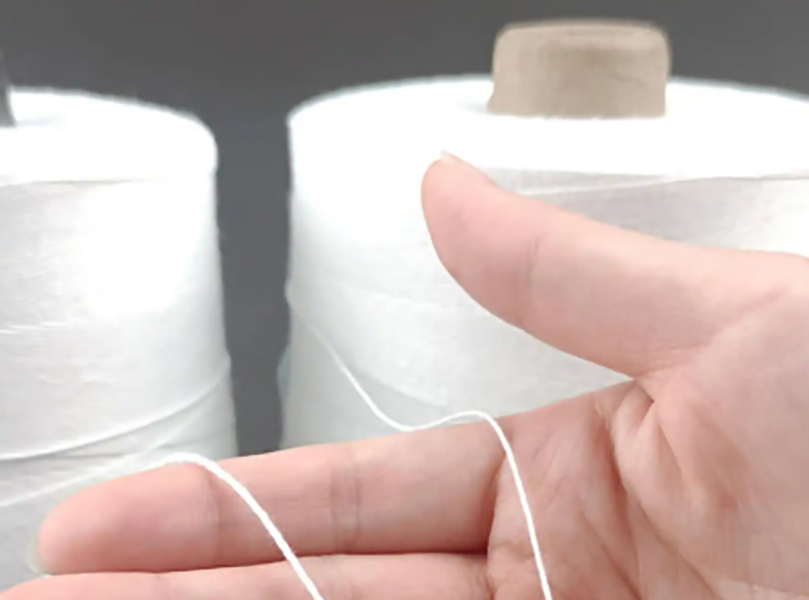
Polyester bag closing thread: The All-Rounder in the Packaging Industry
If we were to choose an all-rounder for the closing thread for bag family, polyester stitching thread for bag would undoubtedly be the one. It is like a strong and tough hard man that can perform well in many situations. High strength, able to withstand heavy pressure. Imagine a large bag filled with feed, which is not light at all. If the sewing thread for bag is not strong enough, it might break easily when pulled, causing the feed inside to spill out, which would be a big problem. Polyester bag closing thread is different; its strength is particularly high, allowing it to easily withstand the pulling force of these heavy items, like implanting steel bones into the bag's packaging, ensuring the goods remain stable during transportation.
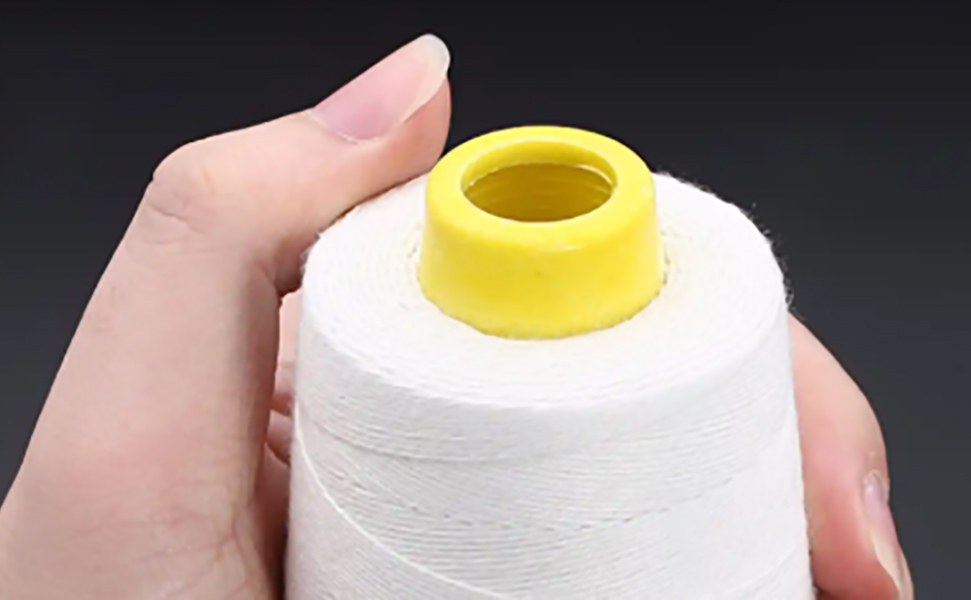
Wear-resistant and Durable, Able to Endure Many Challenges
In warehouse environments, bags filled with goods are often stacked and moved quickly on conveyor belts. At this time, the wear resistance of closing thread for bag becomes particularly important. Polyester stitching thread for bag has a hard and solid surface, like wearing a wear-resistant coat, and even after repeated friction, it is not easy to be damaged. A production factory found that after using polyester sewing thread for bag, the damage rate of packaging bags was significantly reduced, making the transportation of goods safer. Because polyester bag closing thread has so many advantages, it is very popular in many fields. It is especially suitable for packaging heavy items such as feed, fertilizer, and grain. Moreover, the stitching on the packaging bag is neat and does not shrink.
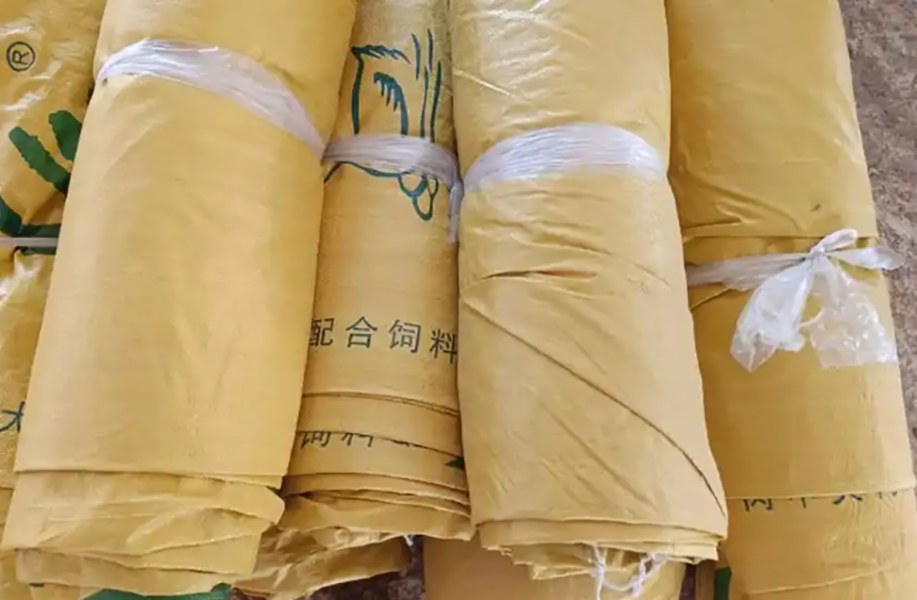
Polypropylene stitching thread for bag
Although its strength and wear resistance are not as good as polyester, in some occasions where the strength requirement is not high, it can win people's favor with its high cost-performance ratio. Polypropylene has a much lower density than polyester. For the same strength of thread, polypropylene sewing thread for bag is lighter. Some goods, such as small bags of chemical raw materials and bagged building materials, have certain acidity. Polypropylene bag closing thread has good resistance to acid and alkali, and also has anti-mold properties.
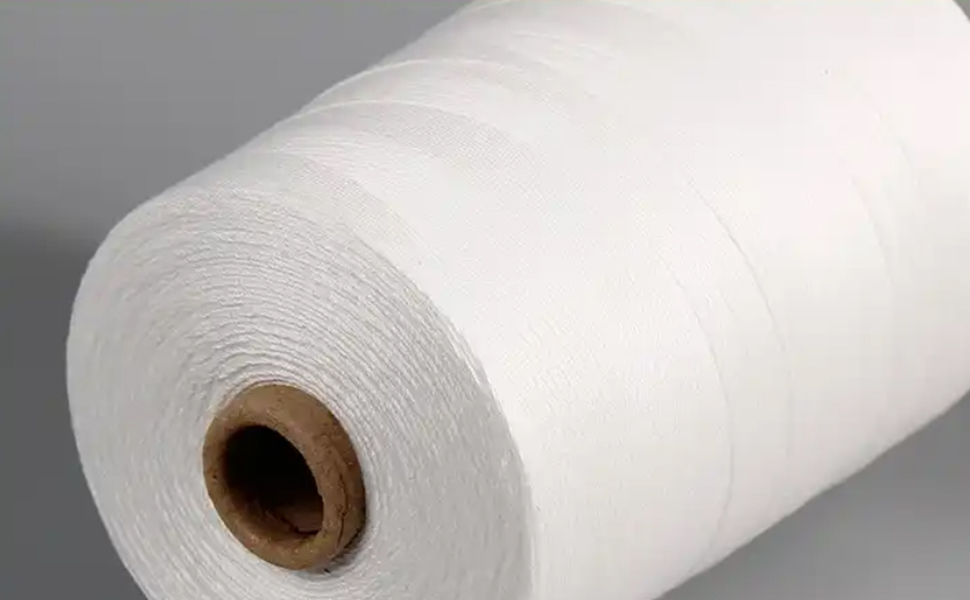
Environmental Protection
Nowadays, more and more attention is paid to environmental protection. Polypropylene closing thread for bag does not emit wastewater during production and can be recycled. The byproducts after burning are only carbon dioxide and water, which do not pollute the environment and meet the environmental standards of regions such as the EU. A packaging company in Northern Europe used polypropylene stitching thread for bag and not only reduced costs but also shaped the company's environmental image.
How to Choose sewing thread for bag?
So, how should you choose sewing thread for bag? Actually, it's very simple. Just choose according to your specific needs. If you are packaging heavy items such as feed or chemical raw materials, or if the packaging requires high strength and wear resistance, then choose polyester bag closing thread, which can give you reliable protection.
For some single-use packaging or situations where cost is sensitive, polypropylene closing thread for bag with its low price and environmental benefits will definitely satisfy you. In short, choosing the right stitching thread for bag material is like finding a suitable partner for packaging, which can make your packaging work easier and more efficient. Next time when choosing sewing thread for bag, you can refer to this article, and I believe you will surely find the most suitable one for yourself!


